


A Tiny Snail Helps LSU Researchers Understand Louisiana’s Changing Coast
June 17, 2026
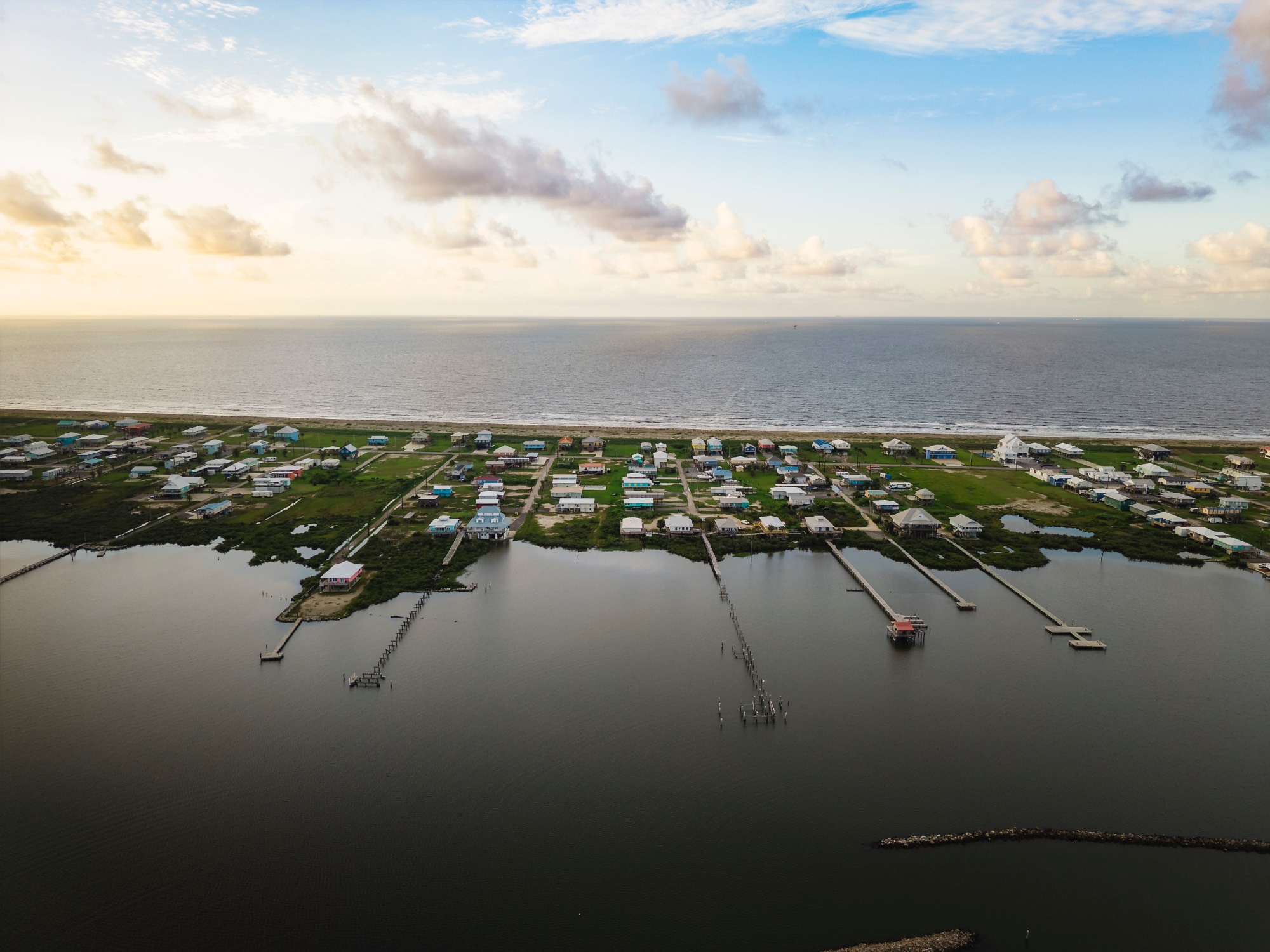
From above, Louisiana’s coastline may look calm and unchanging.
“At first glance, a marsh might just look like grass and mud. What is easy to miss is the sheer abundance of small organisms and the invisible web of ecological services this ecosystem quietly provides,” said Ahmani Browne, LSU graduate student.
As black mangroves expand across Louisiana’s coast, LSU researchers are studying marsh periwinkle snails to better understand how warming temperatures are reshaping coastal ecosystems and wildlife habitats.
Photos by Tanner Frost
Marshes stretch toward the horizon, rock breakwaters stretch across the water like a protective shield, and barrier islands stand between land and sea. But beneath the surface, things are slowly shifting for wildlife, drastically changing how they adapt in these ecosystems.
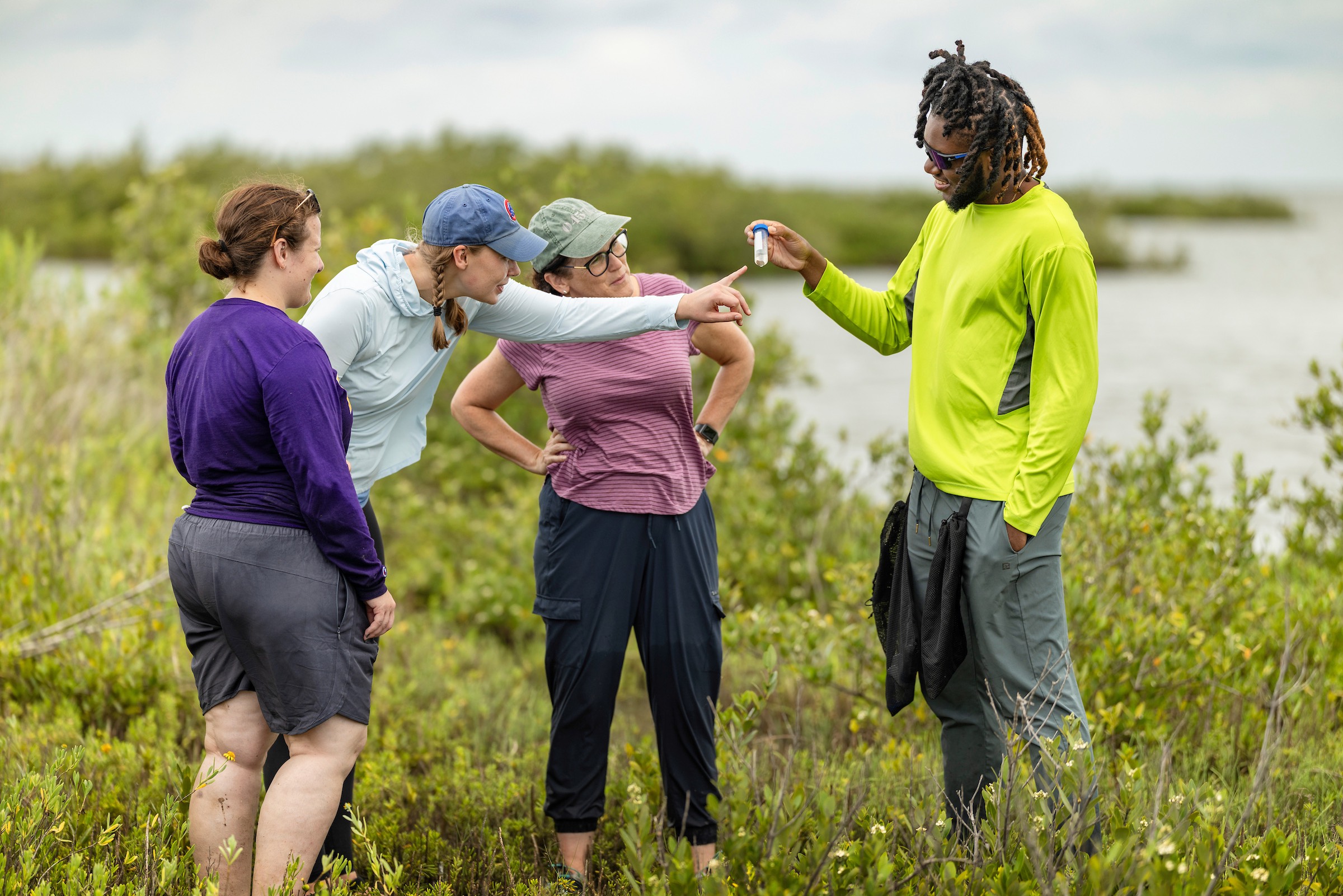
LSU graduate student Ahmani Browne, right, leads the project as part of his thesis research, studying how black mangrove expansion may affect marsh periwinkle snail survival and health. Joining him in the field, from left, are postdoctoral researcher Katherine Eaton, advisor Dr. Morgan Kelly, and postdoctoral researcher Isabelle Neylan, who work together to collect and process specimens throughout the marsh.
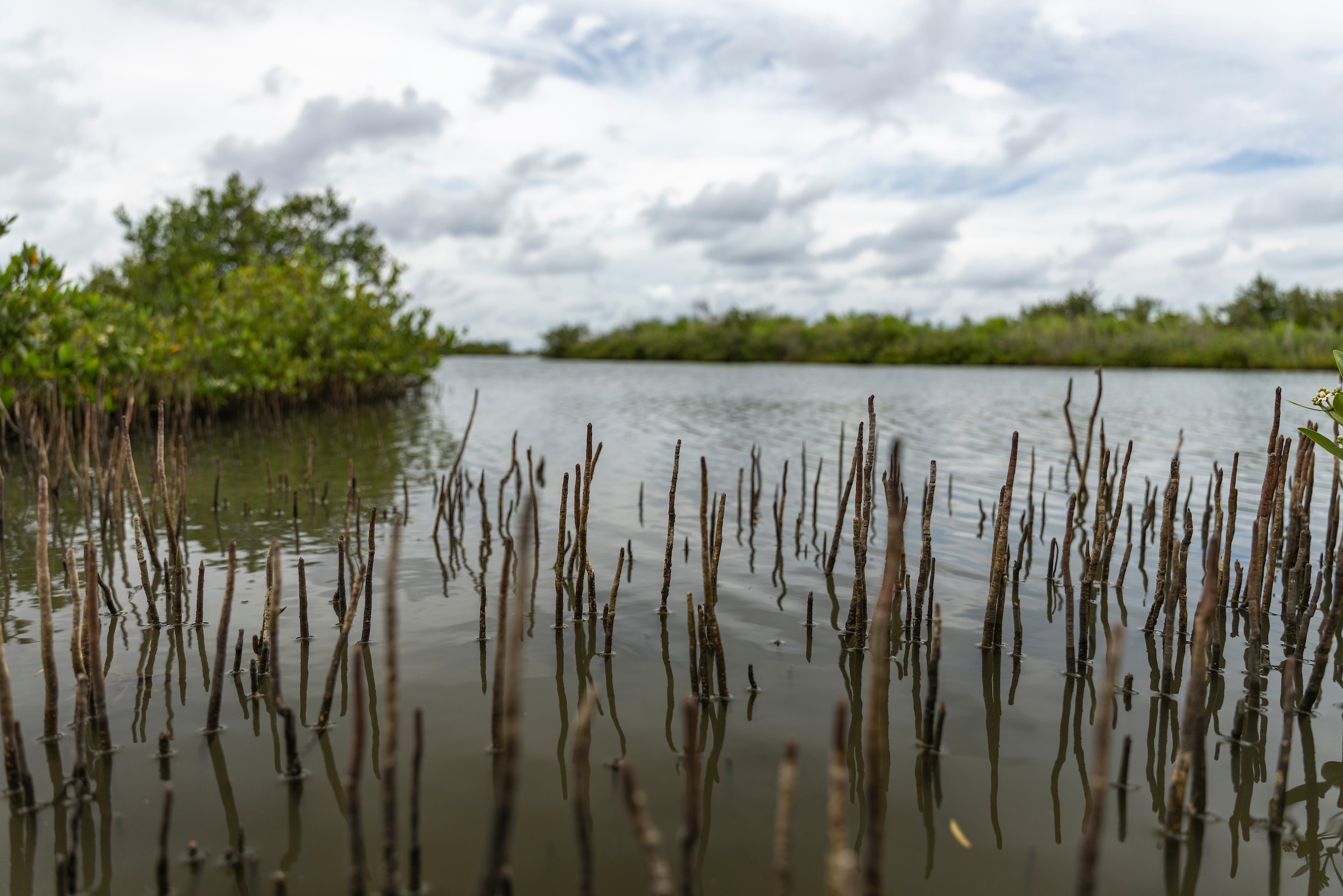
As winters become warmer, black mangroves are invading and taking up space where they once seemed to struggle to survive. Over the years, hard freezes have lessened, allowing the mangroves to survive winters that would have killed them decades ago, all while they continue to spread farther north, grow larger, and produce more seeds. These mangroves are disrupting ecological relationships built around marsh grass.
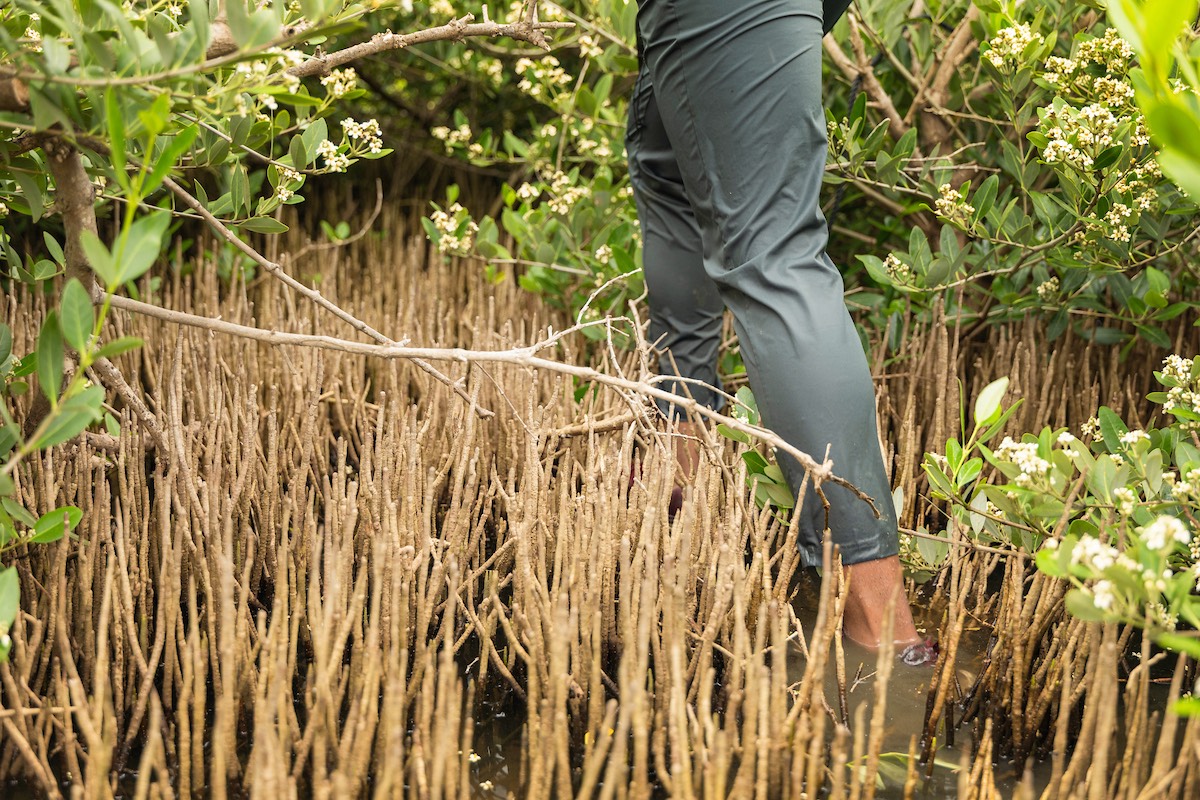
While it may seem like a subtle change, LSU researchers are beginning to see how these encroachments affect the wildlife already living in this habitat. Among them is the marsh periwinkle snail, a small species whose future may reveal larger stories about adaptation and environmental change.
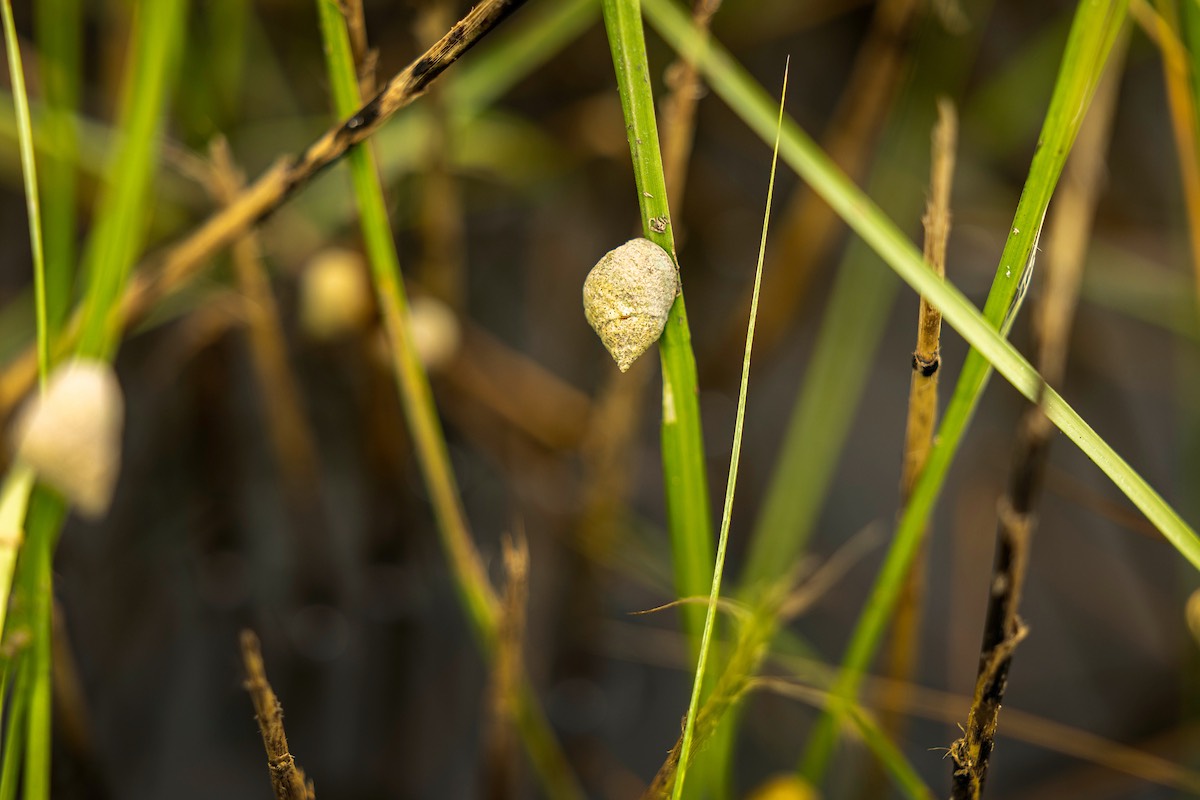
One of the most dominant organisms in the marsh ecosystem, periwinkle snails are unique in that they don’t eat the grass itself; they create and farm fungus on grass leaves. They use the marsh not only for food but also for shelter. Researchers use them as bioindicators because their health reflects what is happening in the environment around them, and their small size and limited mobility make them especially sensitive to habitat changes.
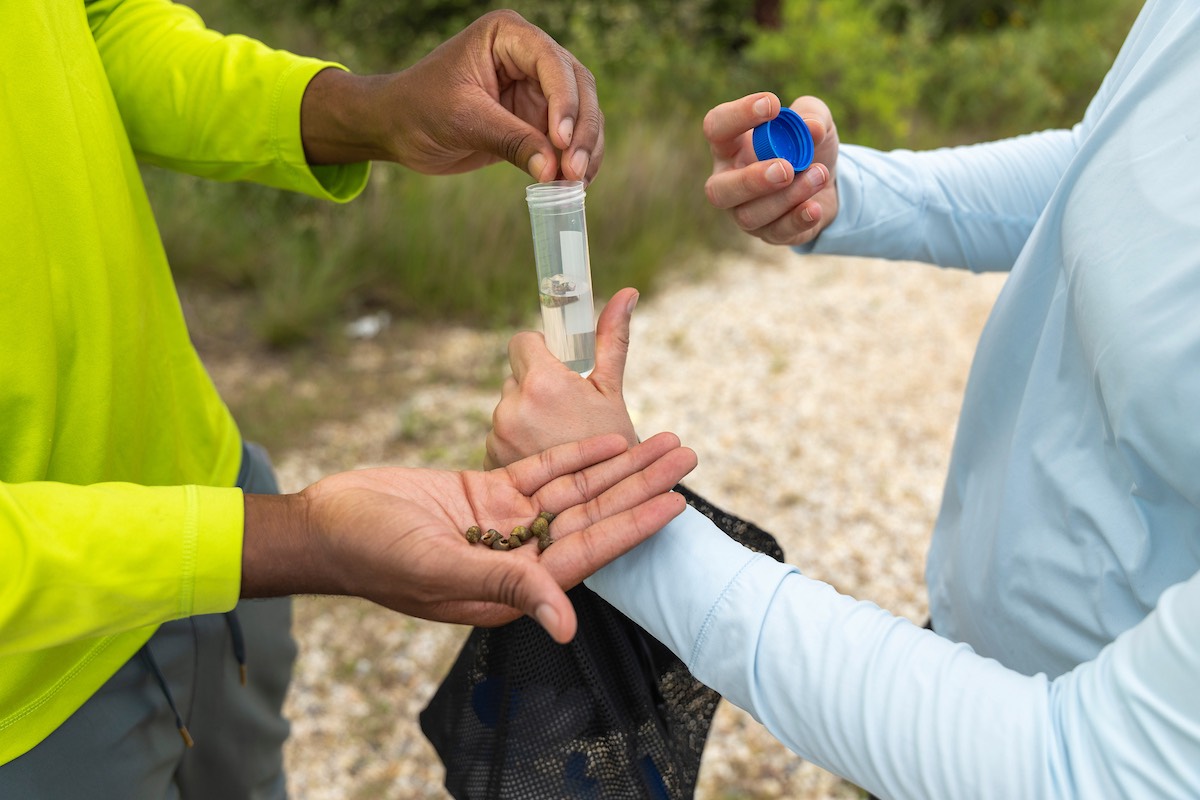
The team spent hours collecting over 300 snails during the field visit. After collection, each snail was carefully processed and tagged by the research team, with researchers recording shell length and weight for every specimen before returning them to the marsh. Individual tags allow researchers to identify the same snails during future field visits. The goal is to recapture them in August and compare changes over time, helping track growth, survival, and changes between habitats while determining whether black mangrove expansion affects snail survival and physiological demands.
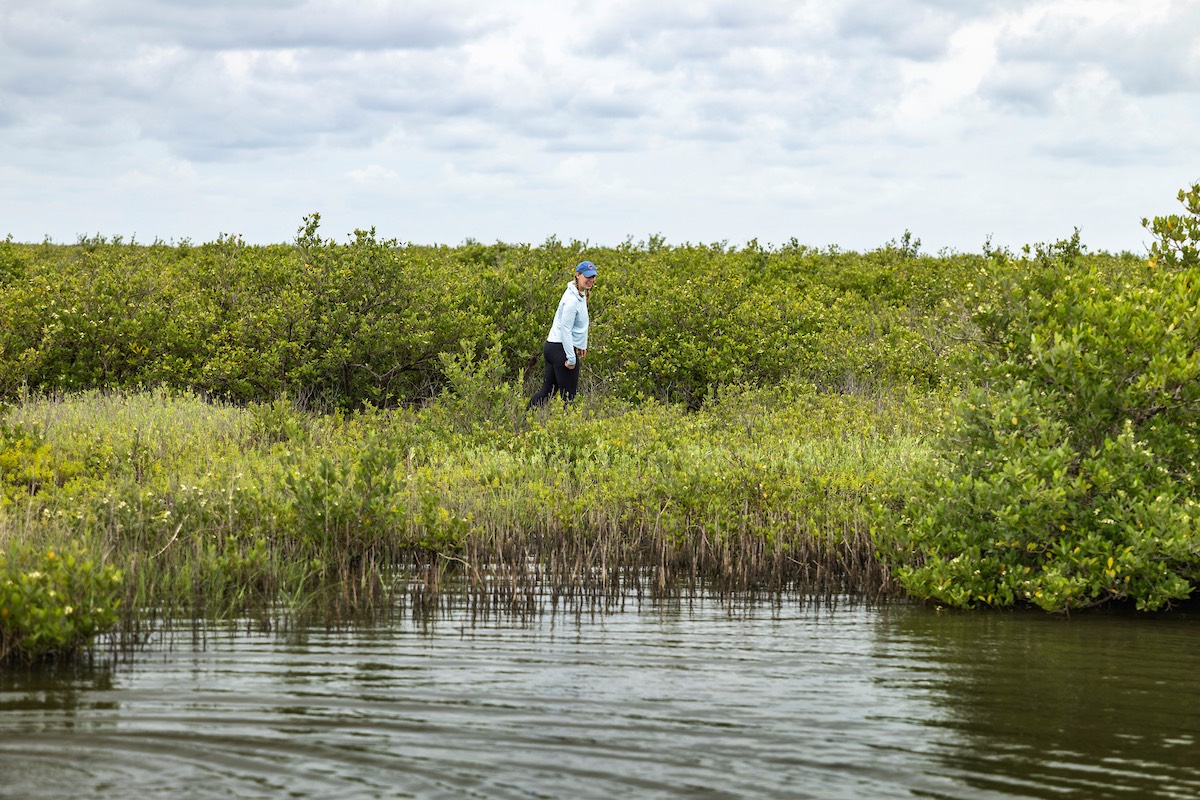
Browne said one of the most striking observations so far has been the difference in snail abundance between the two habitats. In mangrove-dominated areas, researchers are finding noticeably fewer snails. In areas where marsh grass and mangroves overlap, however, snails are crowding onto the remaining marsh grass. This concentration may place additional stress on the marsh ecosystem, as increased grazing pressure could potentially damage the remaining vegetation over time. Browne said the feeling of standing in two habitats meters apart, seeing how different they are, and knowing that this difference is increasing every year is the motivation that keeps him going.
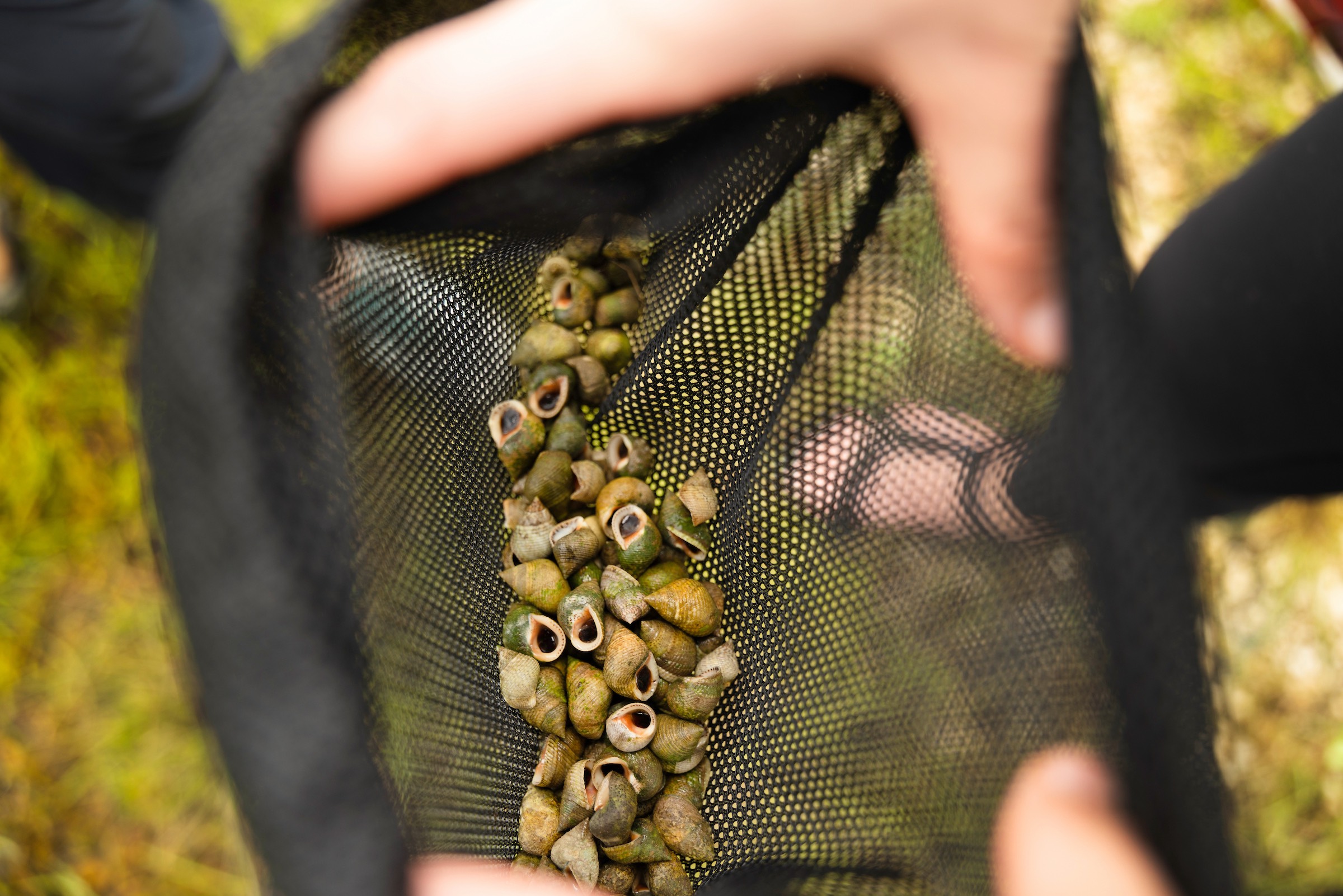
Nevertheless, the team was surprised by the snail’s ability to adapt and the rapidly changing conditions. Early observations show marsh periwinkle snails can shift their diet between habitats, which in turn suggests short-term adaptation may be possible among different species. As the mangroves continue to spread, so does the research into their impact on Louisiana's coastal ecosystems.
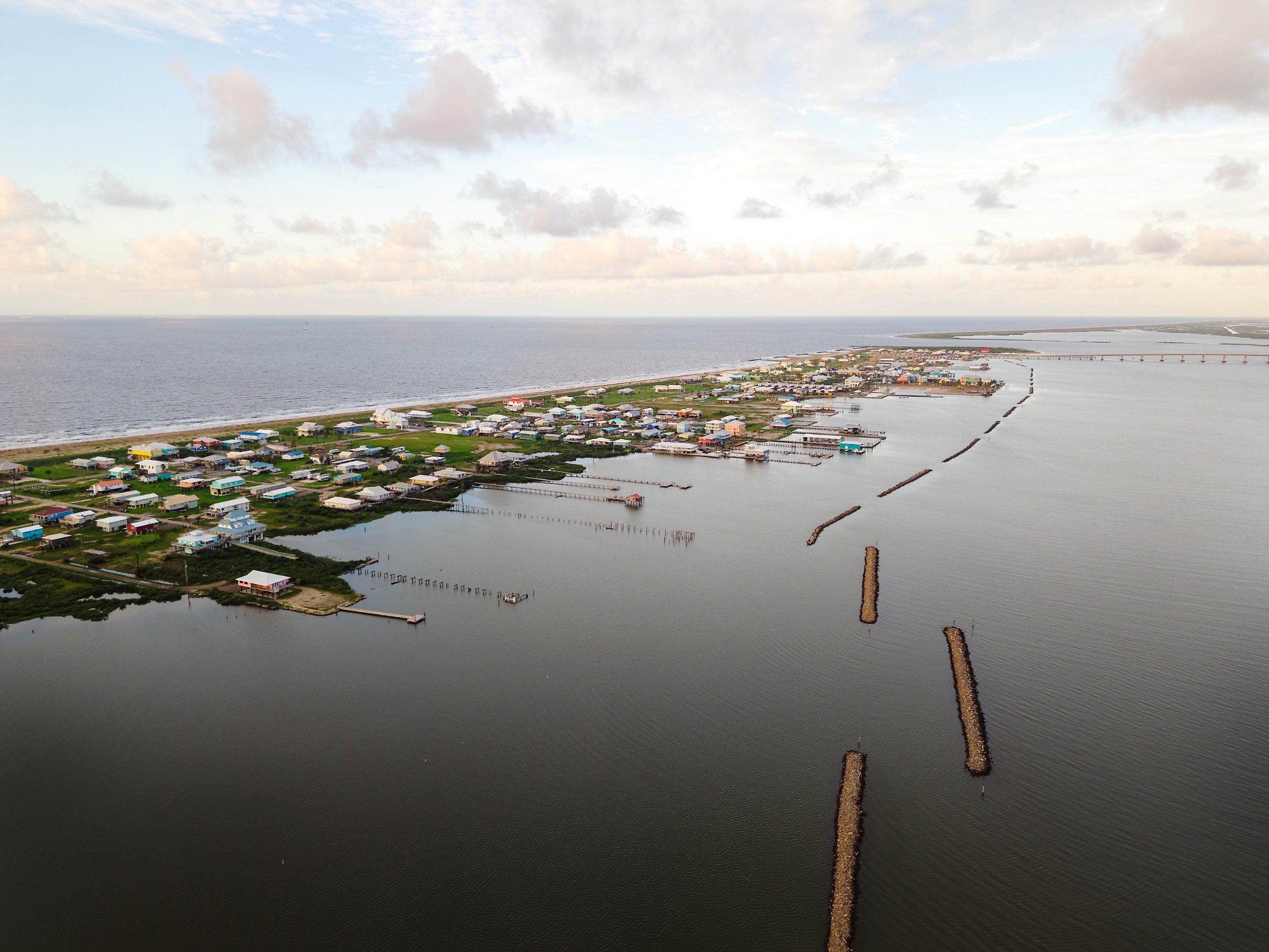
Beyond mangroves invading the snails' habitat, these changes are rippling through every level of the food web. Louisiana's salt marshes provide habitat for countless organisms and serve as nurseries for commercially important fish species. These changes to the marshes' ecosystems not only affect wildlife, but also fisheries and coastal communities that live off both sea and land.